
Top Roofing Tips for Homeowners in 2025
Updated: Feb 16
When it comes to home maintenance, the roof often takes a backseat in terms of attention and care. However, a well-maintained roof is crucial for protecting your home from the elements and ensuring its longevity. In 2025, homeowners are faced with new challenges and opportunities in roofing. This post will provide you with essential tips to keep your roof in top shape, whether you are considering a new installation, maintenance, or repairs.

Understand Your Roofing Material
The first step in maintaining your roof is understanding the type of material it is made from. Different materials have different lifespans, maintenance needs, and costs associated with repairs or replacement. Here are some common roofing materials:
Asphalt Shingles: The most popular roofing material in North America, known for its affordability and ease of installation. They typically last 15-30 years.
Metal Roofing: Durable and energy-efficient, metal roofs can last 40-70 years. They are resistant to extreme weather conditions.
Tile Roofing: Often seen in Mediterranean-style homes, tile roofs can last over 50 years but may require more maintenance.
Slate Roofing: Known for its beauty and longevity, slate can last over 100 years but is one of the most expensive options.
Understanding your roofing material will help you make informed decisions about maintenance and repairs.
Regular Inspections Are Key
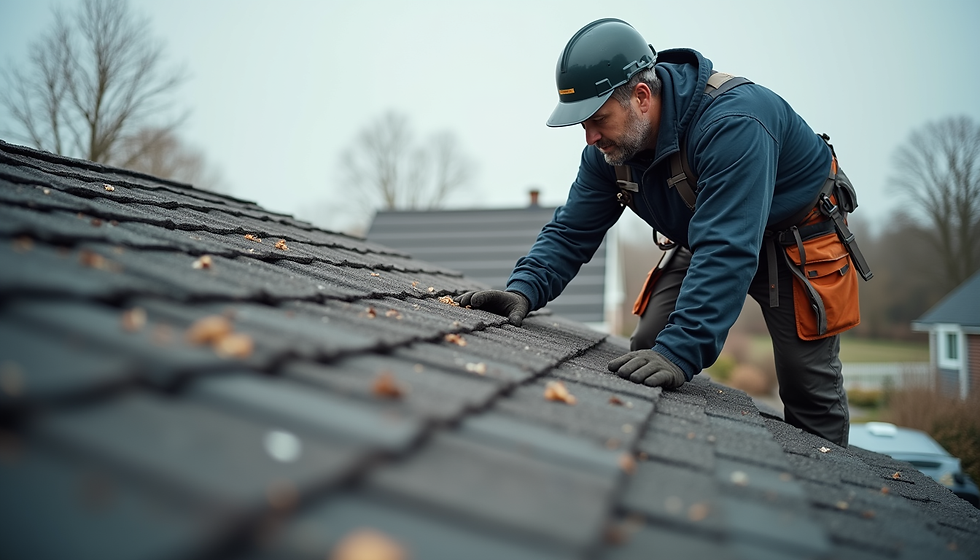
Regular roof inspections are essential for identifying potential issues before they become major problems. Here’s how to conduct an effective inspection:
Frequency: Inspect your roof at least twice a year, ideally in the spring and fall. After severe weather events, such as storms or heavy snowfall, conduct an additional inspection.
Safety First: If you are not comfortable on a ladder, consider hiring a professional. Safety should always be your top priority.
What to Look For:
Missing or damaged shingles
Signs of water damage or leaks in the attic
Accumulation of debris, such as leaves or branches
Rust or corrosion on metal roofs
By catching issues early, you can save yourself time and money in the long run.
Keep Your Gutters Clean
Clogged gutters can lead to water pooling on your roof, which can cause leaks and damage. Here are some tips for maintaining your gutters:
Regular Cleaning: Clean your gutters at least twice a year. If you have overhanging trees, you may need to clean them more frequently.
Install Gutter Guards: Consider installing gutter guards to reduce the amount of debris that enters your gutters.
Check Downspouts: Ensure that downspouts are directing water away from your home’s foundation to prevent water damage.
Maintaining clean gutters is a simple yet effective way to prolong the life of your roof.
Be Mindful of Weather Conditions
Weather can have a significant impact on your roof’s condition. Here are some tips for different weather conditions:
Heavy Rain: Ensure your roof is properly sealed to prevent leaks. Check for any signs of water damage after heavy rainfall.
Snow and Ice: Remove snow buildup to prevent ice dams, which can cause water to back up under shingles. Use a roof rake to safely remove snow from the edges of your roof.
High Winds: Inspect your roof for loose shingles or tiles after windy conditions. Wind can lift shingles, leading to potential leaks.
Understanding how different weather conditions affect your roof can help you take proactive measures to protect it.
Choose the Right Contractor
If you need to hire a contractor for repairs or a new roof installation, choosing the right one is crucial. Here are some tips for selecting a reputable contractor:
Research: Look for local contractors with good reviews and a solid reputation. Websites like Angie's List or Yelp can provide insights from previous customers.
Get Multiple Quotes: Don’t settle for the first quote you receive. Obtain at least three estimates to compare prices and services.
Check Credentials: Ensure the contractor is licensed and insured. This protects you from liability in case of accidents during the job.
Ask for References: A reputable contractor should be able to provide references from previous clients.
Taking the time to choose the right contractor can make a significant difference in the quality of work performed.
Consider Energy Efficiency
In 2023, energy efficiency is more important than ever. A well-insulated roof can help reduce energy costs and improve comfort in your home. Here are some tips to enhance your roof's energy efficiency:
Insulation: Ensure your attic is properly insulated to prevent heat loss in winter and heat gain in summer.
Reflective Roofing: Consider installing reflective roofing materials that can help reduce cooling costs in warmer months.
Ventilation: Proper ventilation in your attic can help regulate temperature and moisture levels, preventing damage to your roof.
Investing in energy-efficient roofing solutions can lead to long-term savings on your energy bills.
Know When to Replace Your Roof
Every roof has a lifespan, and knowing when to replace it is essential for maintaining your home’s integrity. Here are some signs that it may be time for a replacement:
Age: If your roof is nearing the end of its expected lifespan (15-30 years for asphalt shingles, 40-70 years for metal), it may be time to consider a replacement.
Frequent Repairs: If you find yourself making frequent repairs, it may be more cost-effective to replace the roof entirely.
Visible Damage: Signs of significant damage, such as sagging, extensive leaks, or missing shingles, indicate that a replacement is necessary.
Being proactive about roof replacement can save you from more extensive damage and costs down the line.
Maintain Your Roof Year-Round
Roof maintenance is not a one-time task; it requires year-round attention. Here are some seasonal tips to keep your roof in good shape:
Spring: Inspect for winter damage, clean gutters, and check for any signs of leaks.
Summer: Trim overhanging branches and ensure proper ventilation in the attic.
Fall: Clean gutters and inspect for any loose shingles before winter weather sets in.
Winter: Monitor for ice dams and remove snow buildup as needed.
By staying vigilant throughout the year, you can ensure your roof remains in excellent condition.
Conclusion
Maintaining your roof is essential for protecting your home and ensuring its longevity. By understanding your roofing material, conducting regular inspections, keeping gutters clean, and being mindful of weather conditions, you can extend the life of your roof. Additionally, choosing the right contractor and considering energy efficiency can lead to significant long-term benefits. Remember, a well-maintained roof not only protects your home but also enhances its value. Take these tips to heart, and your roof will serve you well for years to come.


Comments